 CropVox
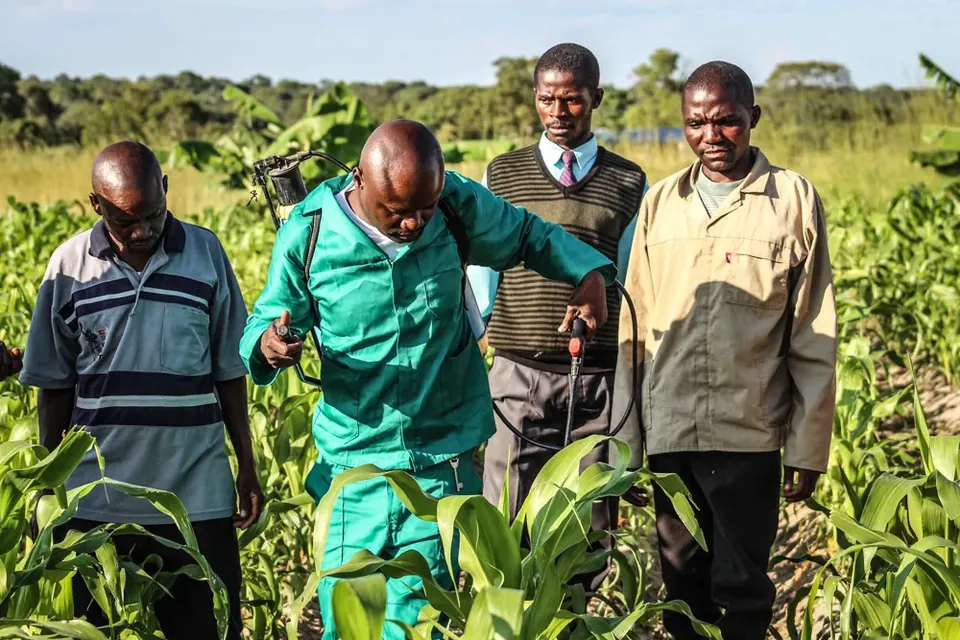
The answer does not wait for a signal
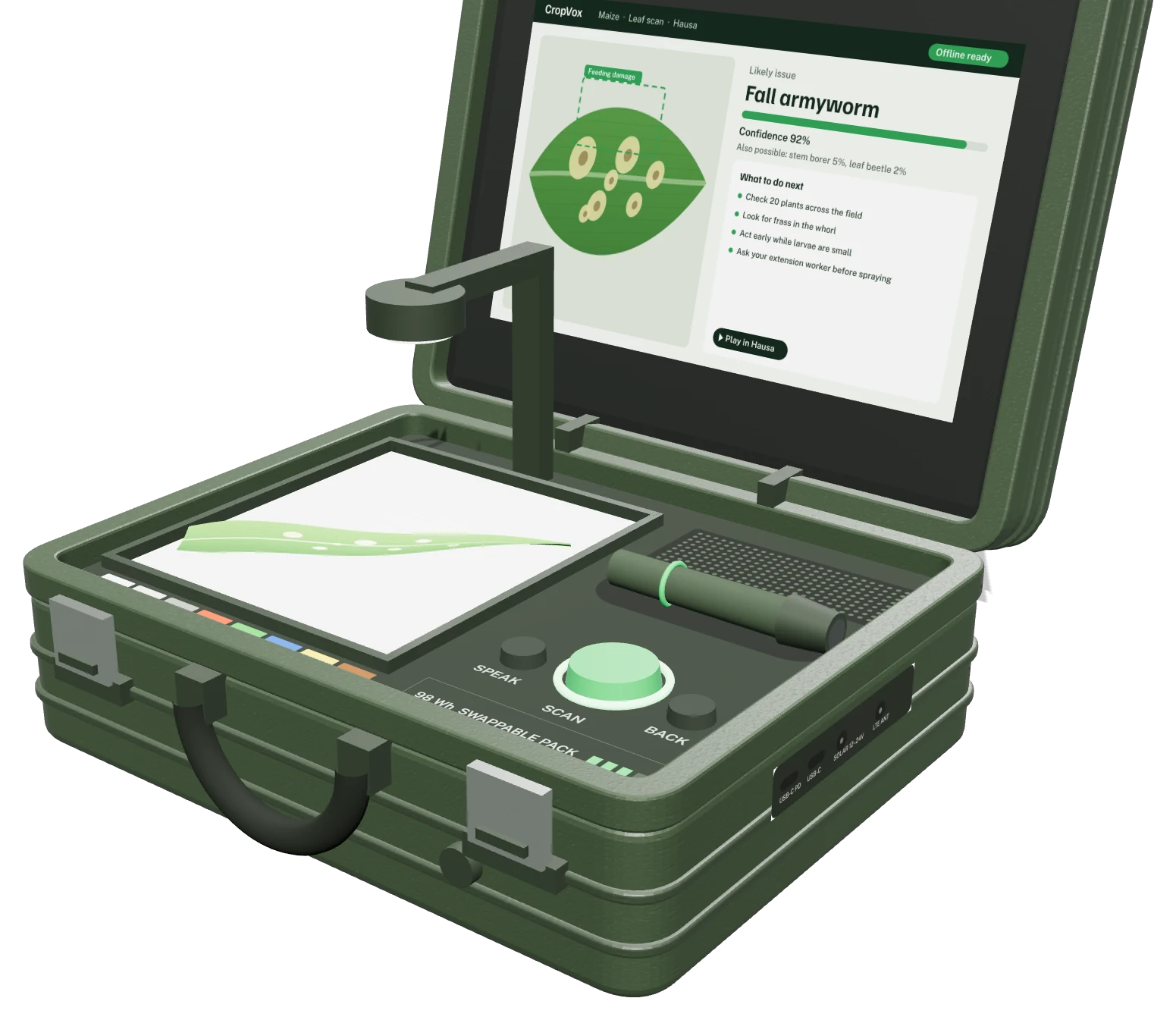
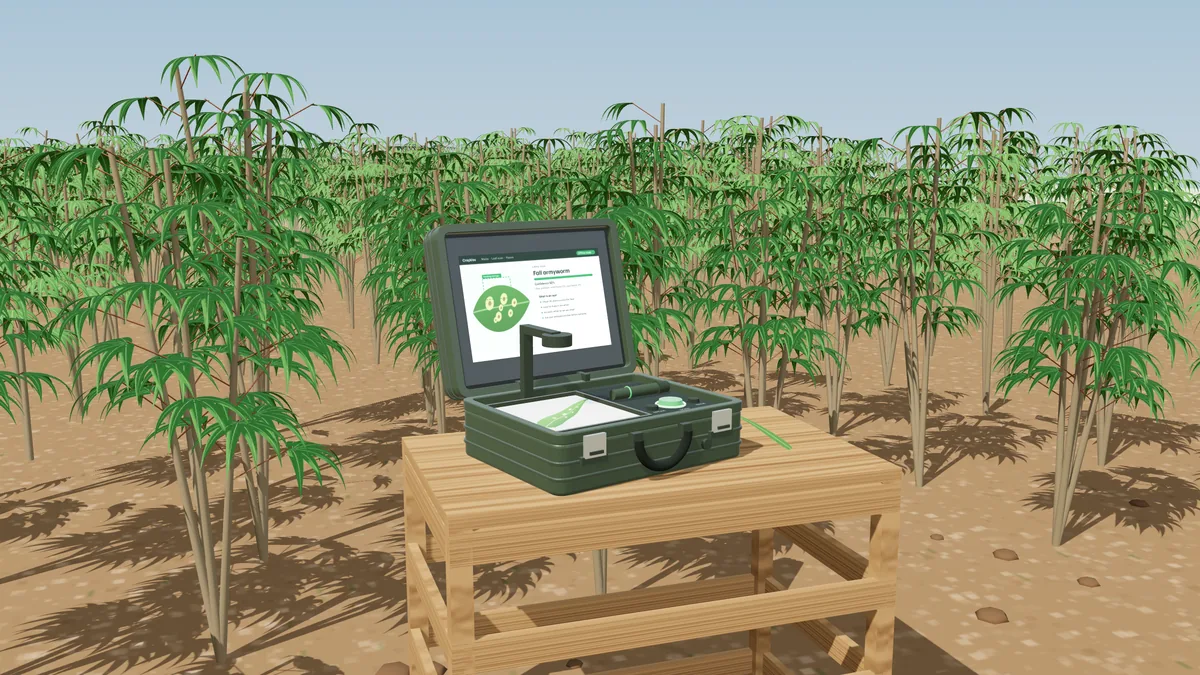
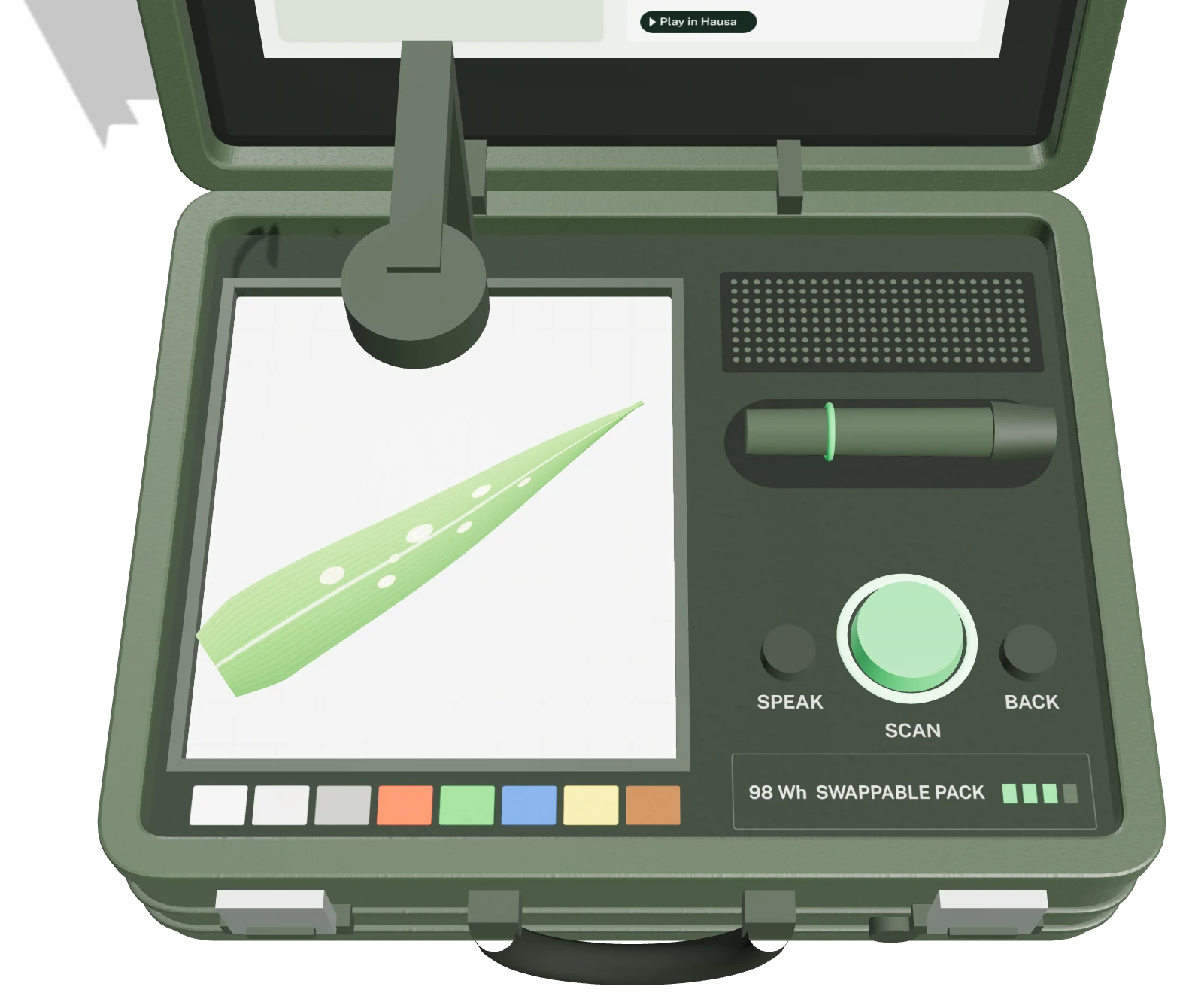
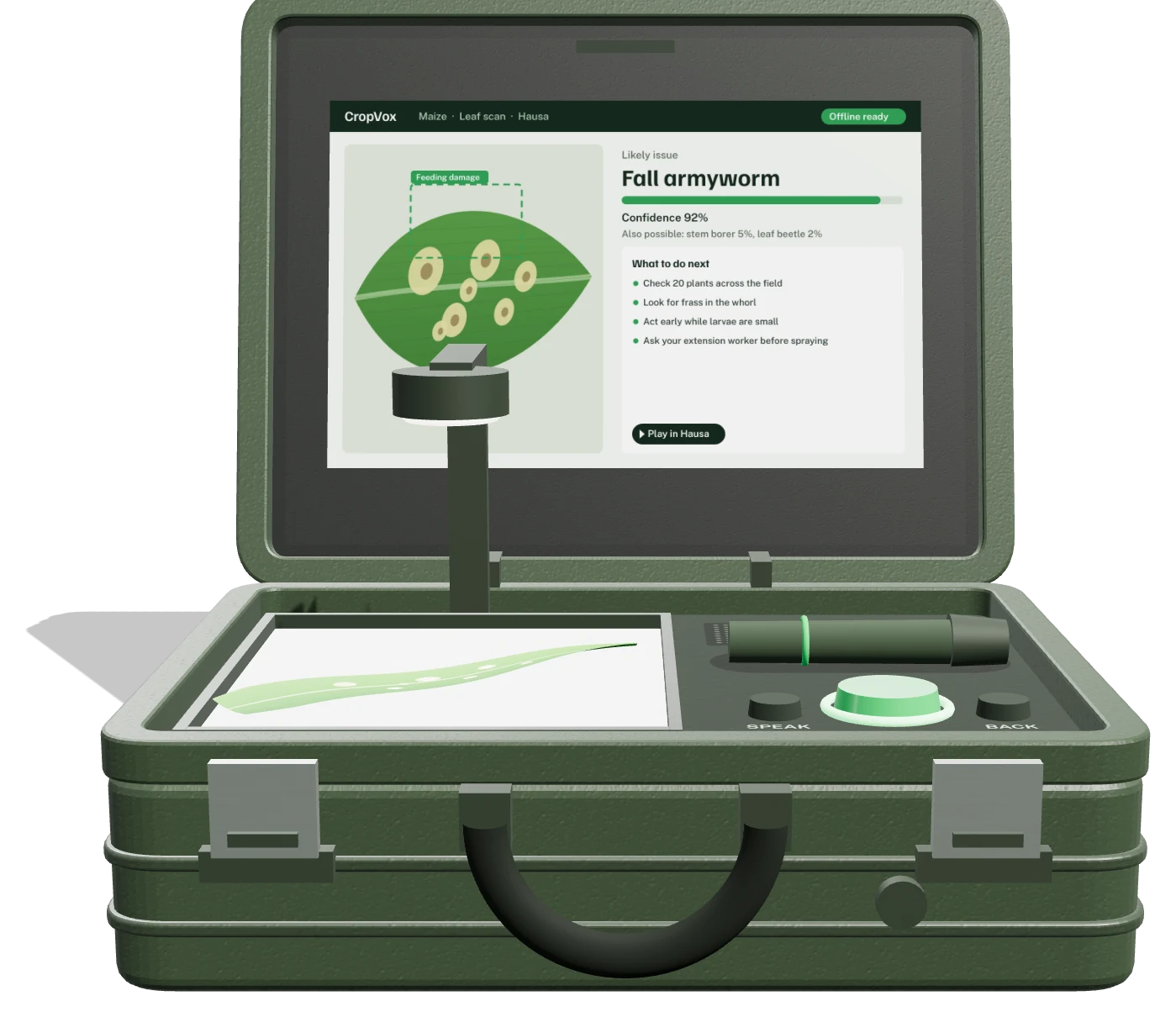
Diagnosis, guidance and speech run on the station itself. A connection is only used for the things that can safely wait: sharing records, updating models and asking an expert.
- Leaf scan and diagnosisWorks
- Spoken guidanceWorks
- Image quality checksWorks
- Scan history on the farmWorks
- Share records with the programmeWaits for signal
- Send unclear cases to an expertWaits for signal
- Download model updatesWaits for signal
- Download new guidanceWaits for signal
14 scan records saved on the station, waiting to sync
What lives on the station, and what travels
The station never needs the cloud to give an answer. Sync is a one-way convenience that happens whenever a connection appears, in the evening at the office or at a market with coverage.
- Vision models
- Guidance library
- Voice packs
- Scan history
- Programme dashboard
- Expert review queue
- Model training
Guidance farmers can hear
Text alone leaves out many of the people who most need the answer. Every result can be read aloud from the station speaker.
Planned launch languages are Hausa, Yoruba, Igbo, Nigerian Pidgin and English. Each guidance entry is written and reviewed by agronomists for that language first, then recorded, so the advice sounds natural rather than translated word for word.
Voice packs are stored on the station like the models. Adding a language later is a download, not a hardware change.
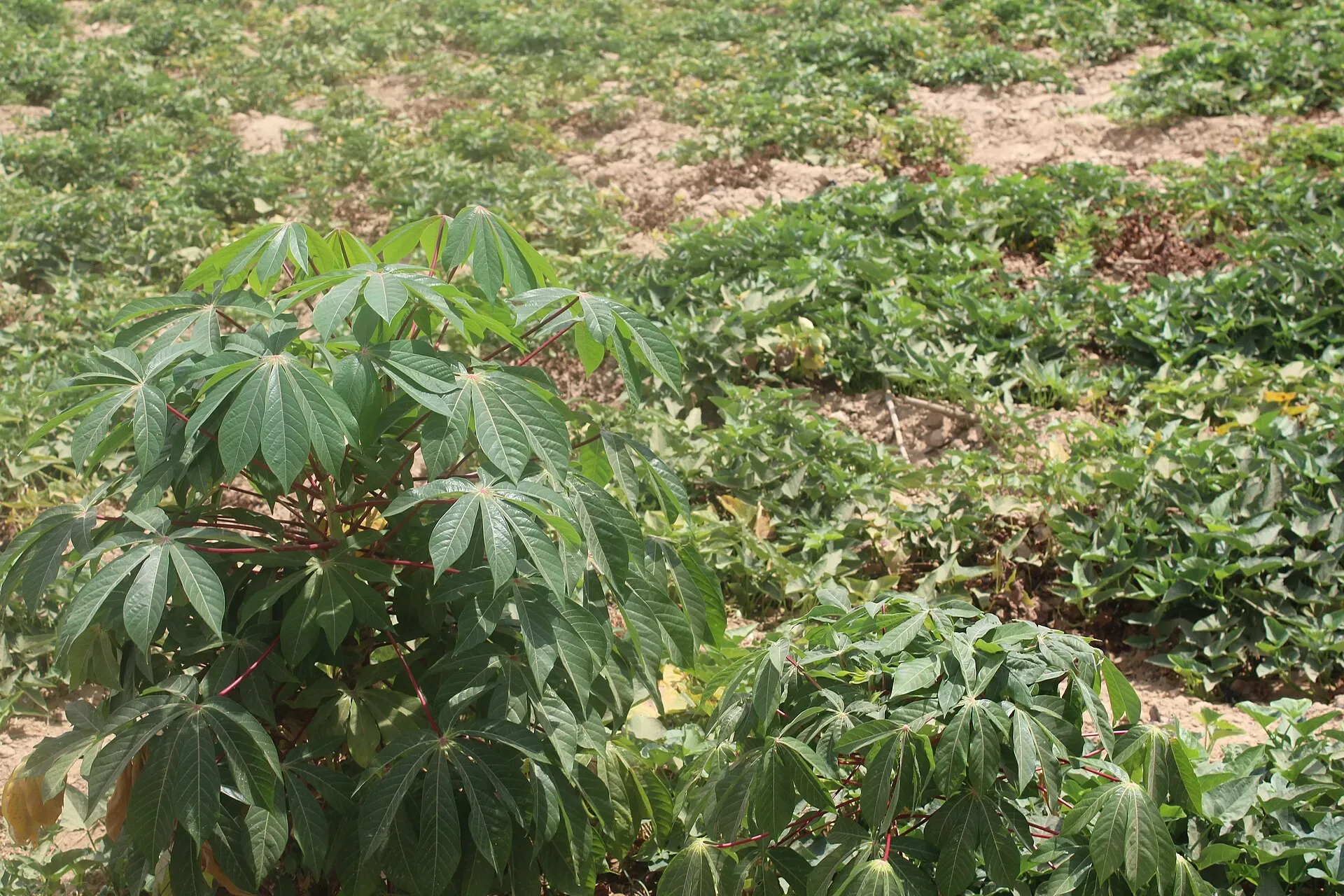 Photo: Onisp, CC BY-SA 4.0
Updates arrive on your schedule
New models are checked against held-out field images before release. The station keeps the previous version and can roll back if a new one performs worse on local scans.